
Industry
Why Ticket Brokers aren’t Necessarily the Problem in the Ticket Industry.
Oct 1, 2026 · By Alex Charles
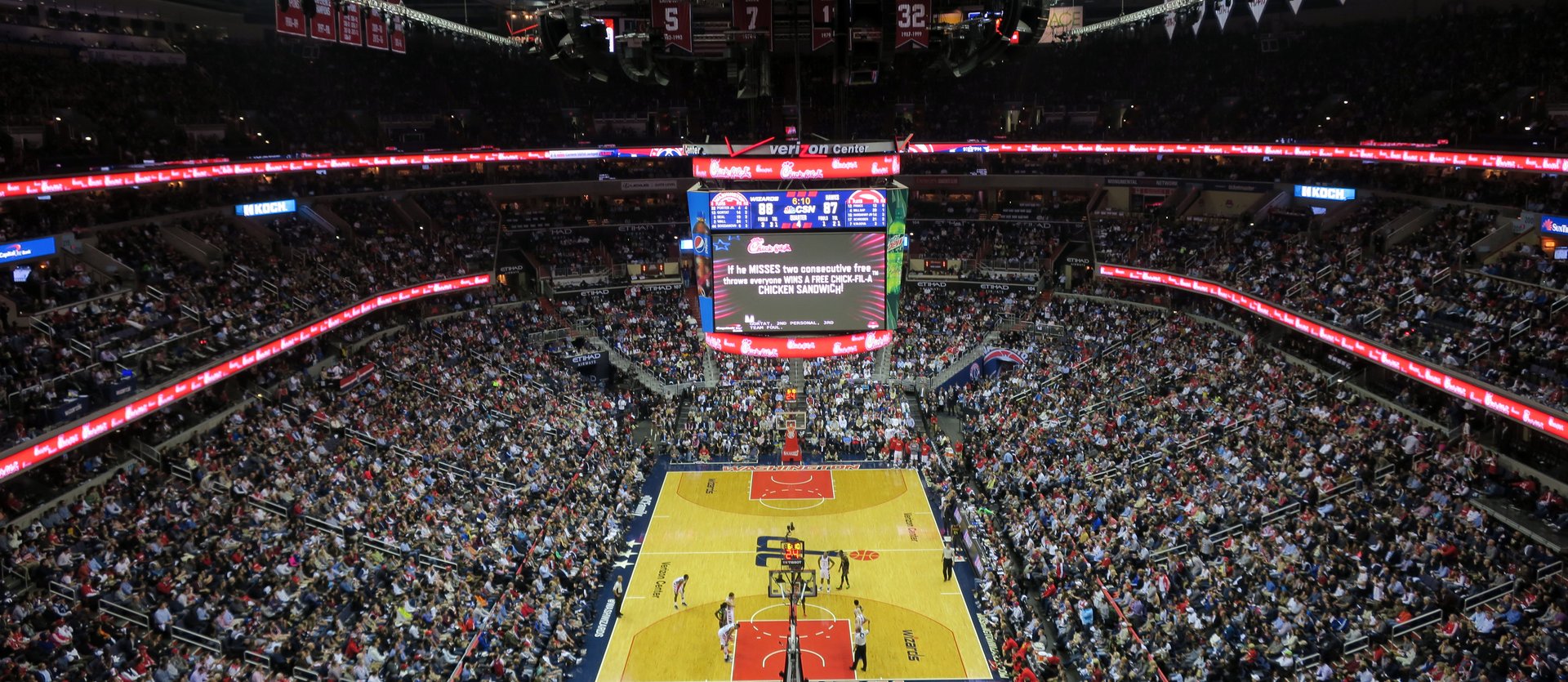
There’s been a lot of attention lately on ‘ticket brokers,’ but I haven’t seen anyone explain what that term actually means and, especially, how ticket brokers, ticket scalpers, and fans all exist in the same ecosystem.
Ticket brokers are actually far more common than you think and serve the same purpose of any broker – they help create sales. It’s no different in the ticket industry. Let’s say you’re an NBA team. Every couple days your team plays at home in a gigantic stadium. You're responsible for maximizing occupancy and selling out the stadium as often as you can. But that means selling 5,000 tickets every few days. That’s a lot of work. More importantly, it’s unpredictable revenue and that’s bad for business.
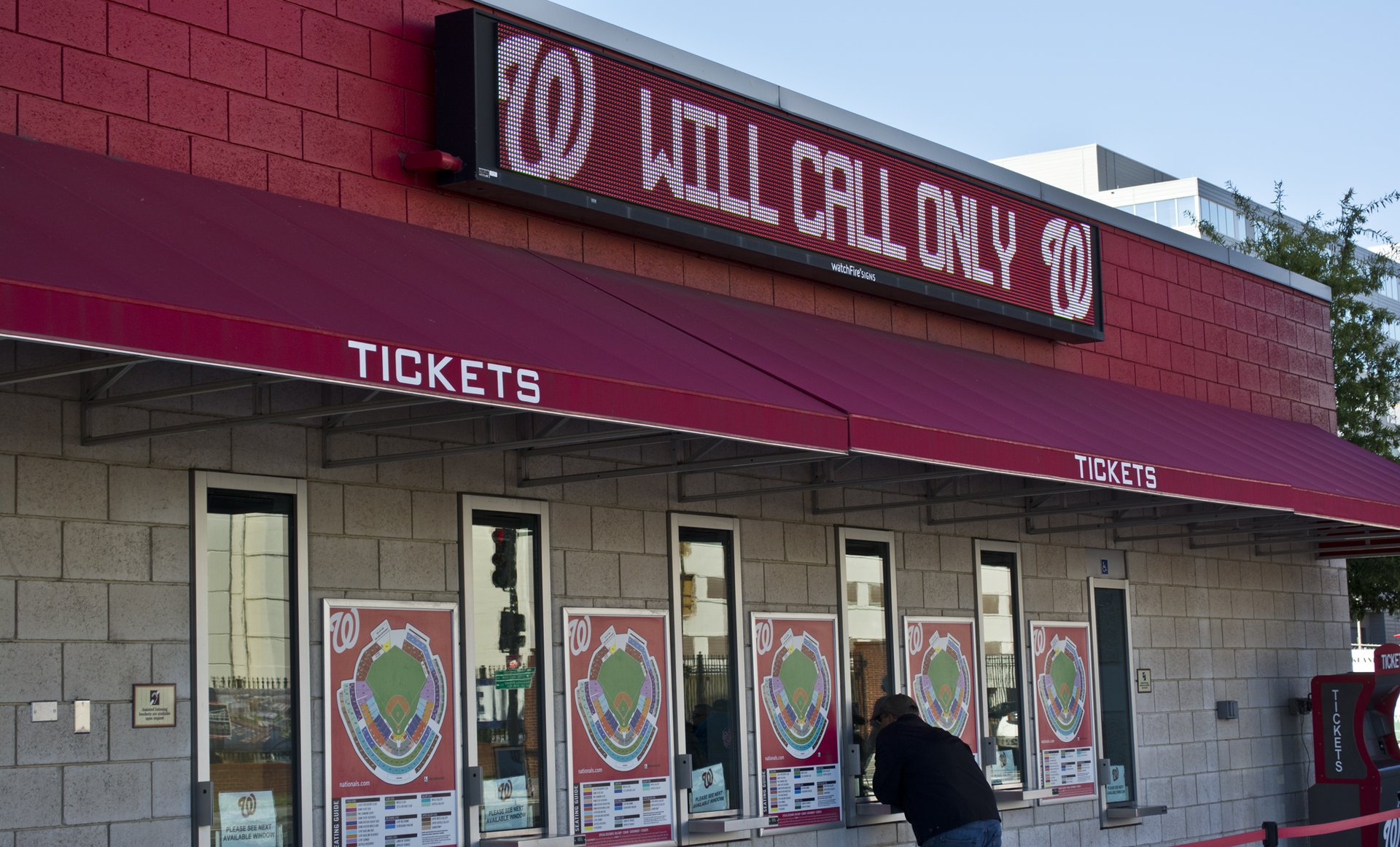
So what do you do? First, you create a season ticket holder program. You sell tickets ahead of time to your most loyal fans. That takes care of a good chunk of the stadium and locks in your cash early. Next? Group sales. Sell chunks of tickets to businesses, non-profits, youth associations, anyone who might be interested in locking in tickets early. Last? Well, oftentimes that category is ticket brokers: people who are willing to buy tons of tickets at discounted prices upfront, and sell them at a markup later.
Why isn’t this bad for the consumer?
The ticket broker has different incentives than the team. They aren’t worried about keeping the brand premium elevated by holding ticket prices high. They sell tickets at whatever price meets demand, which often ends up being far cheaper than buying a ticket directly from the primary ticket provider. Because tickets are perishable assets, brokers also have to make sure they constantly adjust their prices to meet demand, which means prices tend to go down for large events as they get closer and the urgency to sell becomes higher.
So what’s the problem?
Ticket scalpers. Ticket scalpers are notorious for flooding presales, early access opportunities, and using otherwise shady tactics to get access to tickets they can later resell at a profit. Scalpers, unfortunately, are notoriously difficult to combat. They use bots to impersonate human behaviors, have automation tools to buy inventory, hide IP addresses and more.
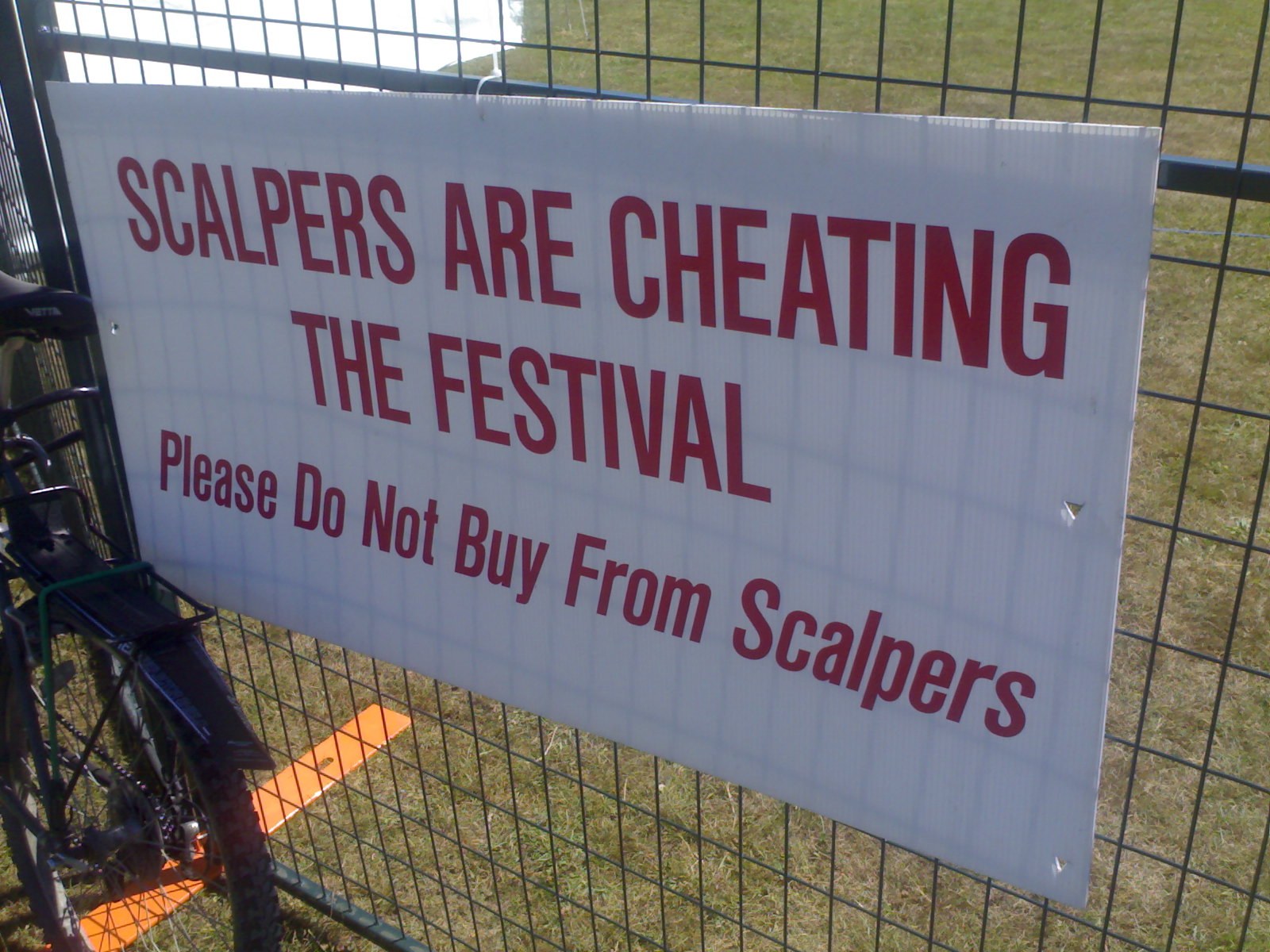
Resale marketplaces tend to get associated with ticket scalpers for two reasons. First, when scalpers buy tickets, they sell them on the secondary market. Worse yet, the secondary market is actually the only reason the scalpers have an incentive to buy the tickets. Second, secondary marketplaces struggle to verify all the sellers that list tickets on their platform which makes it less dangerous for scalpers to resell.
The difference between the broker and the scalper is simply how they source the tickets: by relationships, or by fraud.
What does Ticket Wallet do about Scalpers?
This is the question we get all the time. Here’s what we think. Combating fraud is very difficult. It is harder when primary marketplaces–the companies like Ticketmaster that offer the presales–don’t do a great job of protecting early inventory from bad actors.
What we focus on is verifying our sellers through a human touch point, an email or a text message, creating collateral by charging sellers if they ever fail to deliver their tickets to whoever bought them, and banning any user who doesn’t follow our terms and conditions.
While those policies help us prevent fraudulent activity, our larger focus is just on protecting our buyers with our buyer guarantee: if your tickets have any issue, we’ll replace them or grant an immediate refund. As fans ourselves, dealing with customer support usually sucks, so we handle it ourselves and make the process as smooth as possible. That strict policy creates trust with our buyers so they know they’ll always be protected from scalpers.
Photos: Daniel Lobo (CC0), Tim Evanson (CC BY-SA 2.0) and Richard Eriksson (CC BY 2.0), via Wikimedia Commons.